
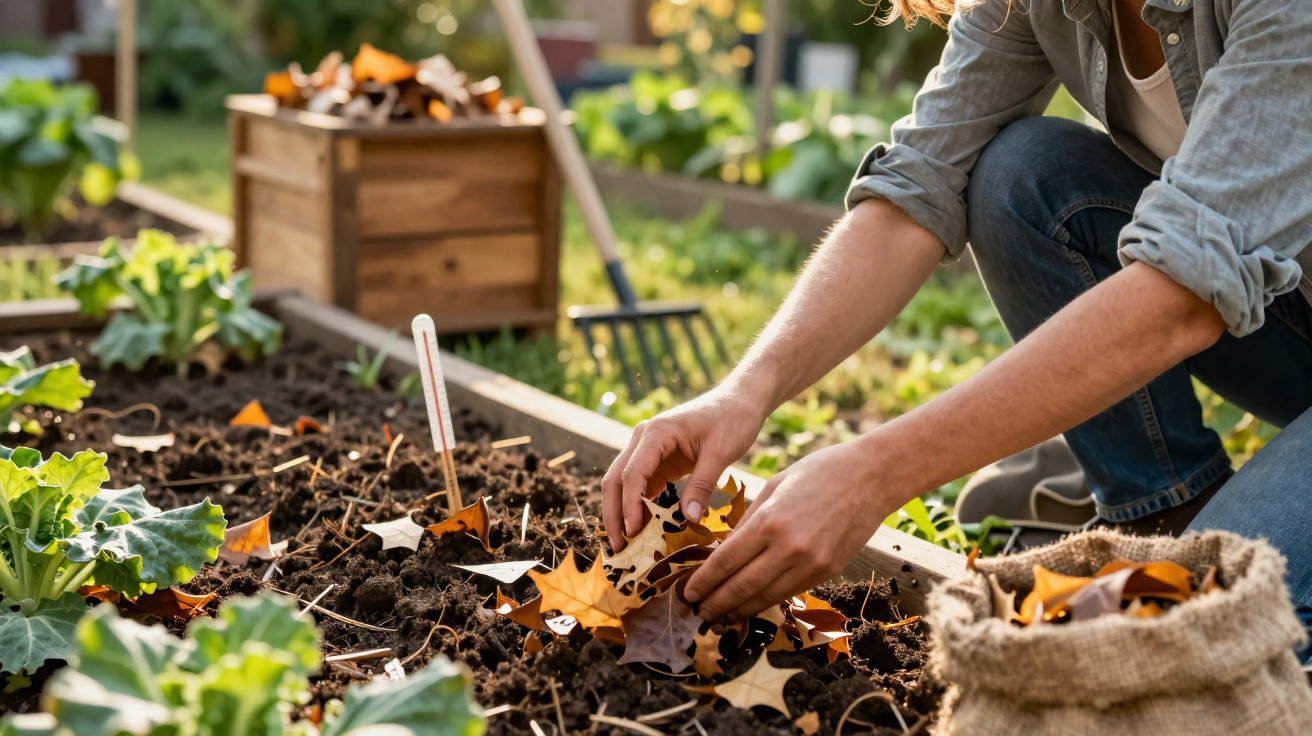
Many people clear fallen garden waste from their lawns without recognising the considerable fertile potential contained in this organic matter. Rather than sending it all to general waste, turning this biomass into natural fertiliser strengthens the soil and safeguards the garden as the weather changes.
Why are dry leaves valuable for the soil?
As this plant covering breaks down slowly, it returns essential elements to plants and encourages biological activity beneath the surface. Left in the garden, leaves provide valuable nutrients, improve soil aeration and form an excellent insulating layer of protection against severe frosts.
Keeping this plant matter on flowerbeds also enables the soil to hold water for far longer. This approach cuts the need for frequent watering, delivering sustainable savings while retaining the moisture needed for cultivated plants to develop healthy roots.
How can kitchen scraps be turned into effective fertiliser?
Specialist-recommended techniques set out precise proportions of organic waste that can speed up home composting without… Read more
How can organic material be reused in composting?
Home composting offers a sensible use for the leaves collected after sweeping residential gardens. By combining this dry biomass with moist waste, gardeners produce a balanced compost that speeds up decomposition and adds nitrogen to the finished humus.
Shredding the leaves before placing them on the heap makes the work of decomposer microorganisms much easier and produces faster results. This ongoing aeration prevents unpleasant smells while attracting beneficial worms, which turn raw material into excellent organic fertiliser for roots.
Below is a video from the Minhas Plantas channel on YouTube, detailing best-use practices:
What is the importance of mulch in flowerbeds?
Applying dry leaves directly across the surface provides essential thermal insulation for pots and flowerbeds. This plant-based barrier shields roots from sharp drops in temperature, keeping conditions suitable for the continued growth of ornamental plants.
Another important advantage is the mechanical control of volunteer weeds that compete for space and sunlight. By preventing direct sunlight from reaching the ground, the covering limits unwanted germination and improves the biological structure of the topsoil.
Essential Soil Kit
Natural Mulch Management
Key actions for applying biomass effectively:
- Shred the leaves to speed up their breakdown;
- Spread even layers beneath shrubs and across flowerbeds;
- Keep the soil slightly moist to attract microorganisms.
What care should be taken when using leaves?
Although fallen leaves are highly beneficial, using them requires attention to the health of the material gathered in the garden. Disposing of leaves with blemishes or signs of pests prevents serious diseases from spreading to the rest of your home planting.
It is equally important to avoid overly compacted layers that could suffocate roots or block the flow of oxygen. Correct handling ensures clean decomposition and lasting fertility, without affecting the vigour of plants grown in your favourite flowerbeds.
Follow these essential steps to ensure safe management:
- Set aside diseased leaves before starting the process;
- Avoid building up layers that are too thick and compacted;
- Leave suitable space around the main stems.
How does this habit transform the garden routine?
Adopting this sustainable practice reduces household waste and removes the constant need to buy costly chemical inputs. Gardeners establish a balanced biological cycle in which every plant residue becomes rich nutrition, restoring vitality to ornamental plants.
With small daily changes to garden maintenance, the soil develops natural resilience against harsh weather and lengthy dry spells. Tending flowerbeds with this abundant resource supports local biodiversity, creating a flourishing and far more productive ecosystem.





Comments
No comments yet. Be the first to comment!
Leave a Comment