

You scrub and spray, yet the white crust keeps coming back. That is the subtle cost of mineral-rich water: dulled chrome and cloudy glasses. This is where a grandmother’s common sense clears the air: rather than attacking limescale with fragrance and foam, use chemistry instead of brute force. Brands may not mention it, but the answer is probably already in your pantry.
I picked up this tip in a compact kitchen with a lingering scent of bread and freshly warmed linen. My grandmother would gesture towards the kettle, angle it towards the light and frown at the chalky line at the water level. Rather than grabbing a bright, expensive bottle, she took out a jar of clear liquid and a brown paper bag. The kettle would begin to hum, the kitchen would take on a sharp-sweet smell, and within ten minutes the metal gleamed like a coin. It felt like a magic show, except it wasn’t magic at all. The unexpected thing is that heat is the real magic wand.
The simple science of a stubborn problem
Limescale is not grime. It is slow-forming rock: calcium carbonate that has separated from your water and bonded itself to household surfaces. That is why so many sprays simply slide over it. They are designed to remove grease, rather than dissolve stone. Apply the correct acid to limescale and it does not smear around; it hisses, fizzes and disappears.
Pay attention to the spots where it gathers: kettle rims, showerheads and tap aerators. Scale develops like coral wherever water pools and then evaporates. Most of us have experienced a previously smooth tap snagging a dishcloth with a rough, gritty scrape. Water-hardness maps reveal broad areas with high-mineral water. In those places, people buy more cleaning products while achieving poorer results. That cycle earns plenty of money, but it makes very little sense.
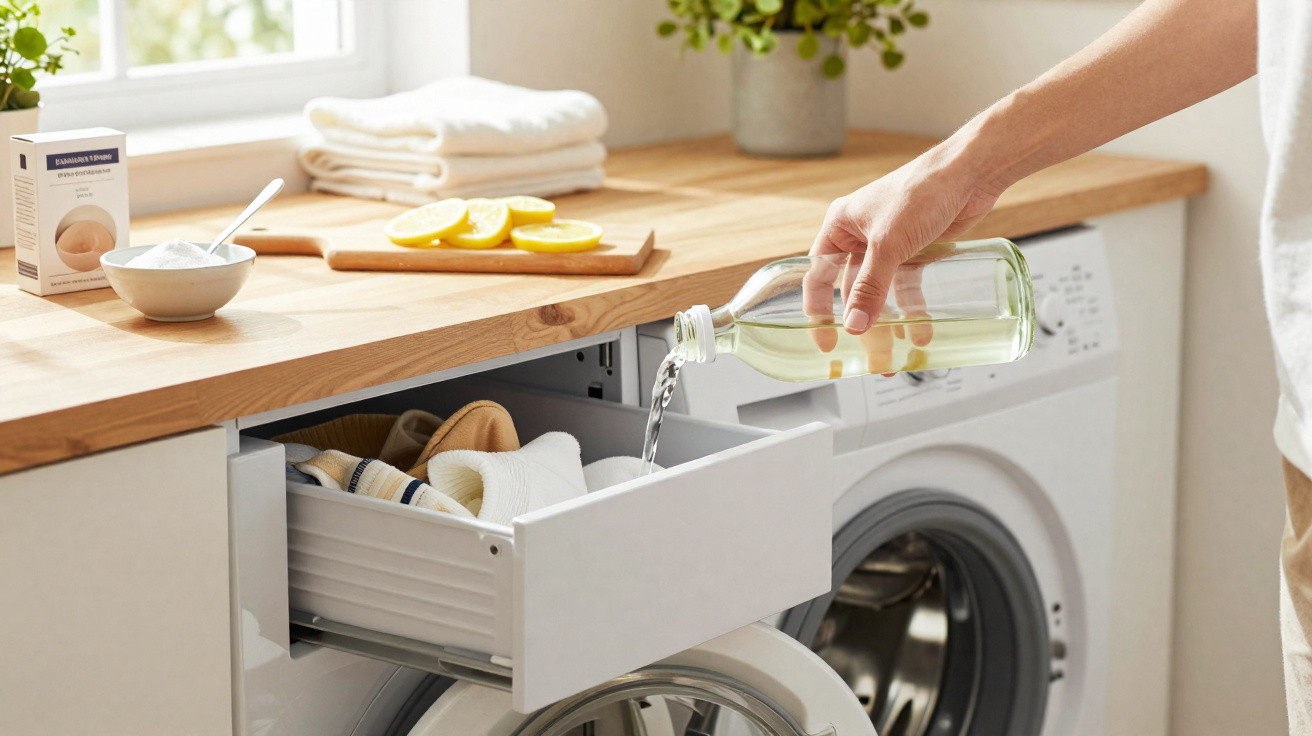
Here is what the label does not explain. Limescale is alkaline, while mild acids - vinegar (acetic acid) and lemon/citric acid - neutralise it. They react with calcium carbonate to create calcium acetate or citrate, water and carbon dioxide. The soft fizz you notice is the stone releasing its hold. Warming the acid speeds up the reaction. Keeping the affected area wet allows it to work further into the deposit. Time beats elbow grease.
The grandmother method for removing limescale
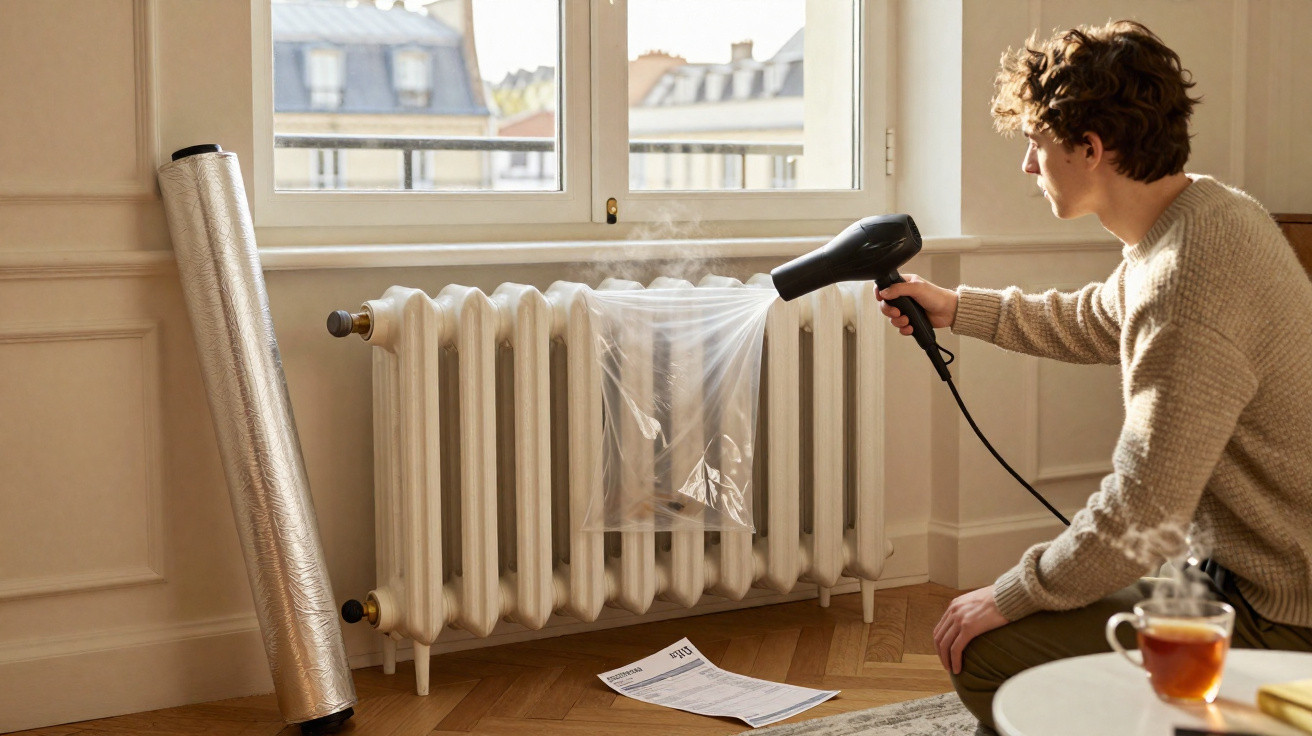
The essential approach is straightforward: warm acid, sustained contact and no chance to dry out. Use white vinegar or a citric acid solution on chrome and glass. Warm it until lukewarm - not boiling - so it remains safe to handle. Saturate a cloth or paper towel, lay it over the scaled surface and leave it in place for 20–40 minutes. For vertical areas, place cling film over the cloth to lock in the moisture. Remove it, gently brush with a soft brush and rinse until the surface squeaks.
For serious deposits, use citric acid, which chelates minerals more effectively than vinegar. Combine 2 tablespoons of citric acid powder with 1 cup of hot water, mix until the liquid is clear, then add a very small drop of washing-up liquid to help it coat the surface. Apply it with an old pastry brush. For showerheads, fill a zip bag with the solution, place it over the head and secure it using a hair elastic. Soak for 30–60 minutes before rinsing. Heat is the multiplier.
There are some pitfalls to avoid. One is scrubbing before the acid has had time to work. Allow the acid to do the hard work before reaching for a scouring pad. Another is applying it to unsuitable materials. Do not use it on natural stone, including marble, limestone and travertine, or on unsealed grout. These materials are made from the very substance you are trying to dissolve. Treat plated finishes gently: dilute the mixture, test an unobtrusive area and limit the contact time. Never combine acids with bleach. Let’s be honest: nobody really does that every day.
Why brands stay quiet about vinegar and citric acid - and making the method last
Vinegar and citric acid have no glamour. There is no glossy cap, sea-breeze fragrance or “active crystals” floating in slow-motion adverts. Still, the chemical reaction is reliable and repeatable. Instead of concealing limescale with surfactants, you dissolve it. That is what makes the approach feel almost rebellious: fewer sprays and fewer scrubbing sessions, with more understated solutions that simply… work.
Of course, everyday life is untidy. You may leave the bag on the showerhead too long. You might rinse the kettle and notice an odd taste. You may question whether a misty ring on a glass can be removed. It can. Rinse thoroughly until water runs in sheets rather than forming beads. For kettles, boil two batches of fresh water and discard them. If your tap sprays to one side, unscrew the aerator, soak it in a cup of warm vinegar for 20 minutes, brush the mesh clean and fit it back in place. Small habits, significant rewards.
My grandmother had one saying that has stayed with me.
“If it fizzes, it’s working. Let it finish its song.”
- Ratios that work: vinegar 1:1 with warm water for chrome; citric acid 2 tbsp per cup for stubborn spots.
- Dwell times: 10–15 minutes for light haze; 30–60 for crust; repeat instead of scrubbing hard.
- No-go list: natural stone, unsealed grout, aluminum cookware interiors, lacquered brass.
A daily rebellion worth passing on
Remove the branding and the method remains the same: heat, patience, contact and rinsing. This modest technique works on kettles, showers and taps without needing a new name. You begin to recognise the smell of clean metal and the squeak beneath a cloth. It uses less effort and fewer bottles. The outcome is understated rather than showy - and that is exactly the point.
There is a longer-term benefit too: avoiding future layers of crust. Keep a labelled spray bottle of citric solution, mist the shower glass after the final rinse and use a squeegee. Empty your kettle each evening so minerals do not settle on the base plate overnight. Every few weeks, soak the aerator in warm liquid. Maintenance is less work than rescue.
Brands may not welcome the thought that your most effective descaler is a pantry staple. You may still purchase products, certainly, but you will choose them for their actual function rather than their promises. This technique endures because it is practical, inexpensive and a little determined, much like the people who passed it down. Try it once and you will understand. The fizz tells the truth.
| Key point | Detail | Benefit for the reader |
|---|---|---|
| Warm acid, not force | Lukewarm vinegar or citric acid dissolves calcium carbonate on contact | Faster results with less scrubbing and fewer scratches |
| Keep it wet | Wrap with soaked cloth and cover with plastic to prevent drying | Better penetration into thick crusts and edges |
| Right place, right material | Avoid natural stone and unsealed grout; test delicate finishes | Clean safely without accidental damage |
FAQ:
- What’s the exact kettle method? Fill with 1 cup white vinegar and 2 cups water. Bring to a near boil, switch off, steep 20–30 minutes. Pour out, scrub lightly if needed, then boil twice with fresh water and discard.
- Vinegar or citric acid-what’s better? Both work. Vinegar is easy and cheap; citric acid is odorless and slightly stronger on heavy scale. Use vinegar for routine, citric for crusty jobs.
- How do I descale a showerhead without removing it? Pour warm citric solution into a zip bag, slip it over the head, secure with a hair tie, soak 30–60 minutes, then run hot water to flush. Repeat for severe buildup.
- Why did my chrome go cloudy? Solution was too strong or sat too long. Go 1:1 vinegar and water, shorter dwell, and polish with a microfiber. Avoid abrasive pads. If damage is etched, it’s permanent.
- Is it safe to mix with baking soda? You can, but it neutralizes the acid, reducing power. Use acid first to dissolve scale, rinse, then a brief soda scrub if you want deodorizing.

Comments
No comments yet. Be the first to comment!
Leave a Comment