
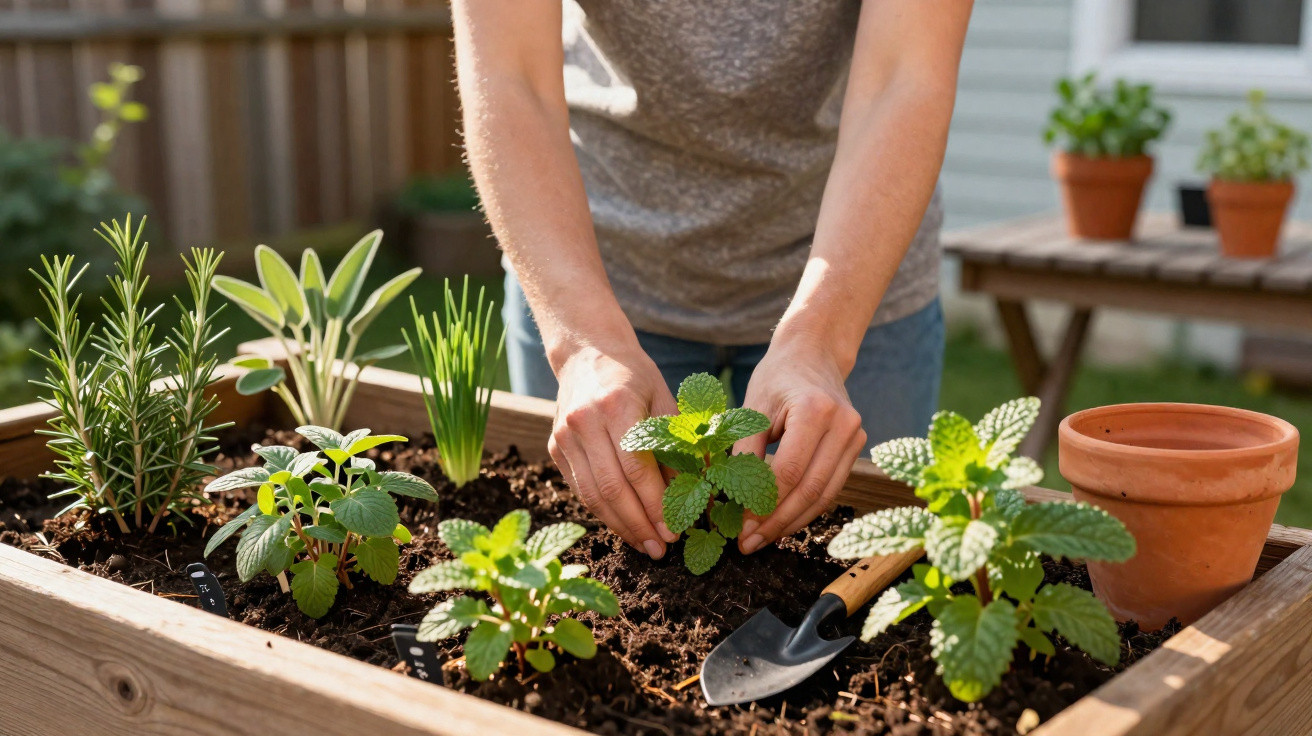
Many gardeners are still leafing through seed catalogues or looking at a grey, dormant garden, but there is a more practical option. Plant a small selection of robust, perennial herbs and you can enjoy fresh leaves from late winter, with very little effort after they have established.
Why late winter is the perfect time to think about herbs
Late January and early February may seem an unlikely time to make outdoor plans. The ground is sodden and dense, daylight is limited, and few people fancy tending tiny seed trays on a chilly windowsill.
Perennial herbs offer a completely different approach. Rather than starting fresh plants every spring, you can depend on roots and rhizomes already in the soil, ready to respond when the light returns.
Perennial herbs act like living batteries: they store energy in their roots, then burst back into growth as soon as temperatures nudge above freezing.
For gardeners short on time, these plants can be transformative. They reduce supermarket visits, limit plastic-wrapped imported produce, and add scent to a season otherwise filled with potatoes and cabbages.
The seven “plant once, harvest for years” herbs
French kitchen-garden tradition offers a straightforward selection. Given a reasonable start, these seven herbs tolerate cold conditions, cope with light frosts and return each year.
- Chives
- Sorrel
- Parsley (especially curly types)
- Mint
- Thyme
- Oregano
- Tarragon
Plant these seven this week, and you can walk outside next winter and cut a handful of fresh leaves when the rest of the garden still looks asleep.
Chives: the first green spikes through the cold
Chives are frequently among the first signs of life in a waking garden. Their slender green shoots can emerge through frozen ground and even a light covering of snow.
They grow well in normal, moist soil, whether in sunshine or light shade. Once a clump is established, it may supply you for ten years. Snip the leaves with scissors and, in mild weather, they will grow back within days.
In cooking, just-cut chives elevate uncomplicated food: scrambled eggs, jacket potatoes, salads and soft cheeses all suit their gentle onion flavour.
Sorrel: the sharp note winter food is missing
Garden sorrel is a leafy perennial herb with a clear, lemon-like sharpness. Its tender leaves can appear in late winter, well before lettuce is available.
Chop it finely for omelettes, stir it through creamy fish sauces, or shred it into soups. Mature leaves have a more intense, acidic taste, which is why most cooks prefer the early leaves.
Parsley: more resilient than people think
Although parsley is generally described as a biennial, a strongly rooted plant can survive winter and produce fresh foliage once light levels increase. Curly parsley usually copes with frost better than flat-leaf varieties.
Plant it in fertile soil that remains reasonably moist, preferably somewhere protected from cold winds. Harvest the leaves often to keep it compact and bushy, rather than allowing it to run to seed too soon.
Mint: invisible in winter, unstoppable in spring
Mint retreats completely above ground during cold weather. Beneath the soil, however, its hardy runners continue spreading, prepared to take off as soon as a mild spell arrives.
To prevent mint from taking over, grow it in a large pot or a bottomless bucket sunk into the ground. This containment still produces plentiful leaves from late spring, while the first soft shoots often appear earlier than expected.
A handful of fresh mint brightens mint tea, yoghurt sauces, fruit salads and spring potatoes.
Thyme, oregano and tarragon: the Mediterranean trio that handles frost
Thyme and oregano are compact, woody shrubs associated with warmer regions, but numerous varieties are remarkably hardy in British and northern US gardens.
Both need full sun and free-draining ground. If your soil is heavy clay, a raised bed or stony spot can stop their roots sitting in winter wet, which they tolerate less well than cold temperatures.
Tarragon grows in another way. Traditional French tarragon almost vanishes through winter, then sends up fresh stems from its roots as the soil warms. Its aniseed taste complements chicken, fish and simple cream sauces.
| Herb | Main flavour note | Best position | Cold behaviour |
|---|---|---|---|
| Chives | Mild onion | Sun or light shade | Top growth dies back, early spring regrowth |
| Sorrel | Lemony, acidic | Sun or partial shade | Leaves may persist; new flush very early |
| Parsley | Fresh, slightly peppery | Sun or partial shade | Can keep some foliage through winter |
| Mint | Cool, menthol | Moist, not waterlogged | Dies back, then re-sprouts from runners |
| Thyme | Warm, resinous | Full sun, well-drained | Often evergreen in mild winters |
| Oregano | Strong, herbal | Full sun, well-drained | May keep some leaves, regrows from base |
| Tarragon | Aniseed | Sun, fertile soil | Top dies back, shoots from rootstock |
How these herbs look after themselves
Perennial herbs operate on an uncomplicated seasonal cycle. During autumn, they slow down, their foliage yellows and energy moves underground into roots, bulbs or rhizomes. Their stems may appear dead above the surface, but the plant is simply dormant below it.
Your main job in late winter is not sowing, but clearing: remove dead stems so light reaches the crown and soil.
As daylight lengthens and temperatures edge above zero, sap begins moving again. Gardeners often find that clumps looking completely lifeless in January have become full and ready to harvest by late February or early March.
Seed trays, heated propagators, grow lights and constant watering can all be optional. The natural cycle does the work for you.
From bare garden to winter feast
Late-winter fresh herbs can noticeably improve what you eat. A spoonful of chopped greenery over a stew or soup is more than decoration: it brings vitamins, aroma and the sense that the season is shifting.
Try these ideas with the first pickings:
- Stir chives into cream cheese and serve it on toast.
- Fold young sorrel leaves into a cheese omelette.
- Combine curly parsley and mint with bulgur wheat or couscous for a speedy tabbouleh-style salad.
- Slip thyme and oregano beneath chicken skin before roasting.
- Stir tarragon into a fish pan sauce right at the end of cooking.
In the colder months, shop-bought herbs are often flown in from warmer climates or raised under heated glass. Going outside to cut your own makes an occasional garnish a regular part of cooking, with a much smaller footprint.
What to do this week: from idea to planting
If there are no herbs in your garden or on your balcony, there is no need to delay until late spring. Garden centres in many areas stock young plants in small pots even during cool weather.
Plant when the ground is not frozen or waterlogged; the roots will quietly settle in long before you need them.
For now, bypass seed packets. Instead, buy healthy, well-rooted examples of each herb or ask neighbours and friends for divisions. Chives, mint, oregano and thyme divide readily: splitting one clump into two or three sections soon gives you several plants.
Position them where they are easy to reach from a path, ideally close to the kitchen door. This seemingly minor choice makes a real difference to how regularly you use them. You are less likely to gather herbs if doing so means crossing a waterlogged lawn in the rain.
Extra tips, combinations and small risks to watch
Three useful measures will help these herbs perform for many years:
- Ensure good drainage for thyme, oregano and tarragon.
- Cut mint and chives regularly to maintain productivity.
- Apply a light compost mulch around sorrel and parsley in autumn.
Growing herbs together may also affect pests and flavours. Fragrant thyme and oregano often attract pollinators, and may confuse some insects that harm vegetables nearby. Herbs planted around fruit trees can create a more lively, resilient part of the garden.
One issue deserves particular attention: mint is extremely vigorous. Without control, it can race across beds and overwhelm more delicate plants. Keeping it in a sunken or freestanding pot generally prevents this while continuing to provide very generous crops.
New gardeners will often encounter two terms in relation to these plants. “Perennial” describes a plant that survives for several years and regrows from the same root system. “Hardy” indicates its ability to withstand cold; a hardy perennial herb such as thyme can live through repeated frosts and still return.
Treat this week's planting as a modest experiment. Picture next February: you open the back door, walk down the path, wipe a light frost from a clump of chives and head back to the kitchen with a handful of green leaves. It is surprisingly straightforward to make this happen, beginning with a trowel, a few herb pots and ten minutes outdoors between showers.





Comments
No comments yet. Be the first to comment!
Leave a Comment