
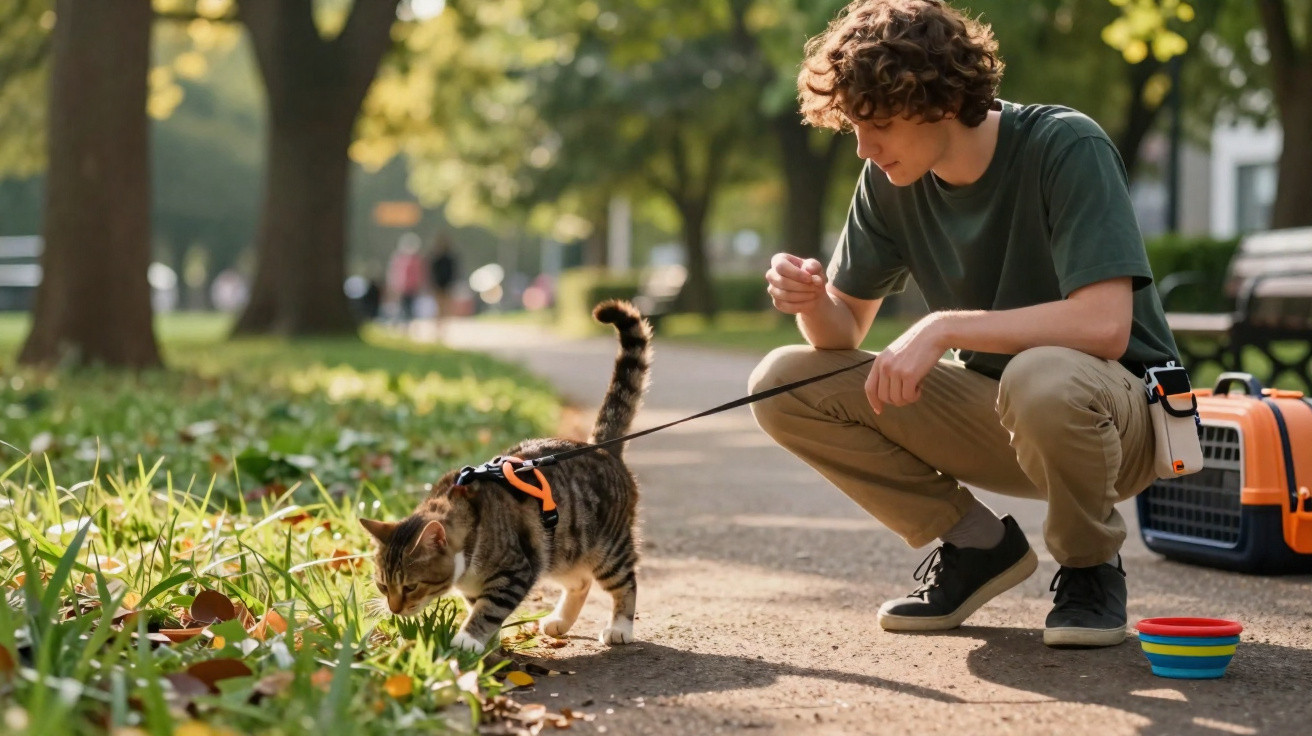
Walking cats outdoors is becoming increasingly common among cat guardians and feline behaviour specialists. While many people feel that cats should live solely indoors, research and veterinary observations indicate that supervised exposure to the outside world can offer valuable physical and emotional health benefits. Provided it is done safely and suits the cat’s personality, this activity may ease stress, provide mental stimulation and support a more balanced routine.
Why do cats benefit from outdoor stimulation?
Cats are naturally inquisitive animals with a strong interest in unfamiliar experiences. Encountering new scents, sounds and features of the outdoor environment creates a rich sensory experience, helping to keep their minds active and engaged.
Specialists identify several key potential benefits:
- Increased mental stimulation.
- Less boredom.
- Improved physical energy.
- Fewer repetitive behaviours.
- Greater confidence in some cats.
Does walking cats outdoors reduce stress?
Yes, in many situations, walking cats outdoors can help to ease stress and anxiety. Exploring a different setting gives the animal the chance to display natural behaviours that may otherwise be restricted indoors.
However, as every cat has its own personality, it is worth considering both the advantages and disadvantages of this activity. In the following video, @PeritoAnimal explains in detail the benefits and drawbacks of taking your companion out safely. Take a look:
How can a cat get used to outdoor walks?
The adjustment process should be gradual, so that the cat comes to view the experience as safe and pleasant. Positive reinforcement is essential for building the animal’s confidence and preventing fearful situations.
Specialists suggest several straightforward steps to make the process easier:
- Introduce the harness indoors.
- Give the cat time to become familiar with the equipment.
- Use treats and play as rewards.
- Begin in quiet, secure locations.
- Always respect the animal’s boundaries.
Should every cat go outdoors for walks?
Not every cat feels at ease outside. Some have a more reserved or territorial nature, or are particularly sensitive to unfamiliar stimuli. For these cats, walks can cause discomfort rather than provide benefits.
For this reason, veterinary professionals advise assessing the animal’s temperament carefully before starting any training. Indoor environmental enrichment also remains essential, including toys, scratching posts, shelves and suitable areas for exploration. The aim is to ensure feline wellbeing safely while respecting each cat’s individual characteristics.






Comments
No comments yet. Be the first to comment!
Leave a Comment