
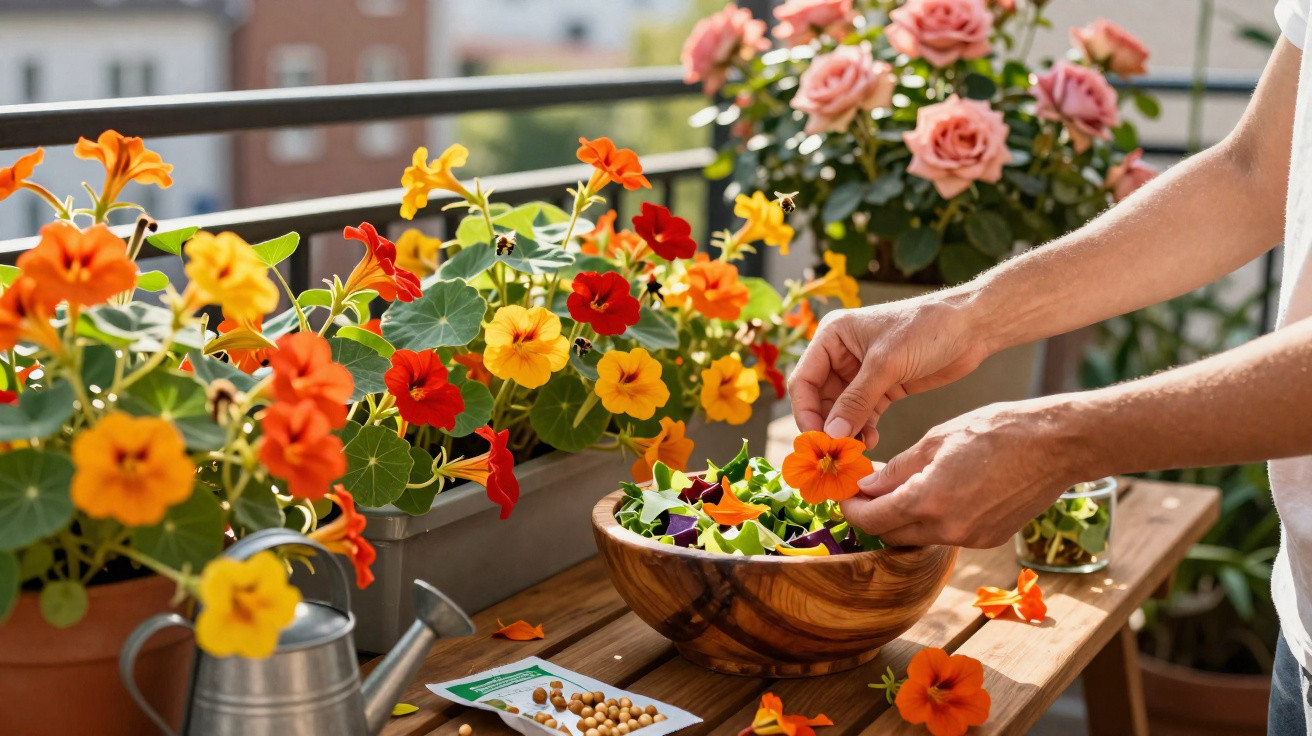
Many amateur gardeners are throwing out their old planting plans – one long-underestimated flower is taking over beds, balconies and vegetable gardens.
Roses, hydrangeas and lavender remain popular. Yet in 2026, another almost-forgotten flower is moving into the spotlight: the nasturtium. Once considered a pleasant edging plant, it is now becoming the leading feature in wildlife-friendly beds, urban balconies and modern self-sufficiency gardens. There are several solid reasons for this.
Why this “old” flower is suddenly appearing everywhere again
The nasturtium fits astonishingly well with the new generation of gardeners. Many people have little time but still want colour, insects and as little chemical use as possible. This is exactly where the flower shows its strengths.
Nasturtiums deliver intense colours, readily self-seed, need very little care – and are perfectly suited to the relaxed gardening of 2026.
Its flowers shine in vivid orange, warm red and bright yellow. The round leaves resemble small plates, creating a dense, fresh carpet. Just a few plants can turn a dull patch of soil into a lively display of colour.
It also never looks rigid. While rose bushes can often resemble carefully arranged decoration, nasturtiums bring a freer, more spontaneous quality to the scene. This very “orderly disorder” is on trend – moving away from the perfect formal garden and towards vibrant, semi-wild corners where something is always happening.
Perfect for beginners: this flower forgives almost every mistake
Anyone planting a garden, raised bed or even just a balcony planter for the first time wants quick successes. Nasturtiums reliably provide those too.
- They germinate quickly and visibly.
- They grow fast – progress can be seen almost every day.
- They do not require specialist compost or complicated maintenance.
Sow the seeds directly into soil or pots; there is no need to start them indoors. Ordinary, relatively poor garden soil is sufficient. In fact, too many nutrients are not good for them, as this produces lots of foliage but fewer flowers.
A bright to sunny position is important, as this is where they perform at their best. Once established, regular but not excessive watering is enough. They dislike waterlogged soil entirely, but cope surprisingly well with short dry spells.
Which varieties suit which purpose
Nasturtiums come in several growth habits that can be used deliberately:
| Type | Growth habit | Best location |
|---|---|---|
| Climbing varieties | Climb up to 2–3 m | Balcony railings, trellises, fences |
| Trailing varieties | Cascade loosely downwards | Hanging baskets, wall edges, raised beds |
| Bushy varieties | Broad, relatively low-growing habit | Bed edges, gap fillers in perennial borders |
With a little planning, an entire bed can be structured using nasturtiums alone – without it becoming dull.
How nasturtiums transform balconies, beds and vegetable gardens
Their versatility is a major reason for the current hype. Few other flowers can be used so flexibly.
On small urban balconies, a long window box is enough. Climbing varieties take hold of the railing, while trailing types spill outwards to form a dense curtain of foliage and flowers. This creates a kind of natural privacy screen behind them.
In the garden, they soften the strict “everything in rows” look. They grow among perennials, weave around even older shrubs and conceal bare patches. At the base of a wall, they soften harsh edges; in a raised bed, they flow gently over the side.
With just a few pounds’ worth of seeds, an entire corner of the garden can be enhanced visually and ecologically – without any major redesign work.
In the vegetable garden, they provide more than colour. Growing between tomatoes, cabbage or beans, they add structure and break up a view made entirely of crops. Many self-sufficient gardeners place them deliberately along bed edges and paths because they spread quickly there and continually add fresh accents of colour.
More than decoration: beneficial insect plant, shield and salad ingredient
Nasturtiums are not simply attractive; they work as well. At a time when many amateur gardeners want to manage without artificial sprays, that is a real advantage.
A natural “sacrificial plant” for pests
Aphids love nasturtiums. At first this may seem like a drawback, but it actually benefits many other plants in the bed. The aphids concentrate heavily on this flower and are more likely to leave tomatoes, beans and roses alone.
At the same time, ladybirds and other beneficial insects visit more often because they find abundant food there. With a little patience, this can help create a small balance in the garden without resorting to harsh chemicals.
A magnet for bees and more
The open flowers provide pollen and nectar. Bees, bumblebees and hoverflies are happy to visit them. In densely built-up residential areas with few flowering plants, even one box of nasturtiums on a balcony can become an important small refuge for insects.
Edible flowers and leaves
The next benefit goes straight onto the plate. Both leaves and flowers are edible, with a mildly peppery flavour that is somewhat like cress. They can instantly elevate simple dishes.
- Flowers as colourful highlights on potato salad or pasta salad
- Young leaves in a mixed leaf salad
- Flowers on open sandwiches or sandwiches
Those who enjoy experimenting can also use the still-green, unripe seeds. Pickled in vinegar brine, they are distinctly reminiscent of capers and work well with cold platters or mixed antipasti.
Stress-free spring sowing
The right time is after the last night frosts. Although the seeds are not extremely sensitive, they react poorly to prolonged cold spells. Starting too early is more likely to cost time than provide any benefit.
The practical rules of thumb are:
- Sowing time: from April/May, depending on the region
- Sowing depth: press around 2 centimetres into the soil
- Spacing: roughly 25 to 30 centimetres between plants
- Pot size: at least 30 centimetres in diameter for strong specimens
After germination, keep the soil lightly moist. Later, it may dry out occasionally. Regularly removing spent flowers extends the flowering period considerably. This takes only a few minutes each week, yet provides colour for months.
Why nasturtiums are perfectly suited to the 2026 gardening trend
Many people want to get outdoors without having to become experts straight away. They want lively, colourful spaces that buzz and grow rather than sterile lawns. Nasturtiums fill that gap.
It combines straightforward care, ecological value and a touch of “self-sufficiency” – making it an almost exact match for the spirit of the new generation of gardeners.
With a little luck, they may even self-seed. In mild areas, new plants can suddenly reappear in similar spots the following year. Not in huge numbers, but often enough to reinforce the impression that the garden has a life of its own.
Visually, they also work with many current styles: natural gardens filled with wild perennials, cottage gardens where vegetables and flowers mingle, and minimalist urban balconies with only a few but striking plants. Everywhere, they add colour without being “too much”.
Practical tips for combinations and creative uses
To help nasturtiums reach their full potential, it is worth considering suitable companion plants. They work particularly well with:
- Tomatoes and beans – for protection and colour in the vegetable garden
- Lavender and sage – as drought-tolerant companions in beds
- Ornamental grasses – as a calm backdrop for vivid orange and red
- Marigolds – for a robust, low-maintenance “country garden bed”
For more decorative ideas, nasturtiums can be planted in galvanised tubs, old wooden crates or baskets. Trailing varieties spill down from these containers particularly dramatically. Even on a simple wooden railing, a combination of climbing and trailing types can look almost like a flowering curtain.
One point deserves attention: in very tight beds, they can easily overgrow weaker neighbours. In that case, it helps to trim back individual shoots occasionally or guide them deliberately. This keeps the flower pleasantly dominant without completely displacing everything else.
Anyone who starts with a small trial will quickly discover how versatile this “forgotten” flower is. Many gardeners who have tried it once want to grow it in several places the following year. That is precisely how a niche plant can suddenly become the trend flower of 2026.





Comments
No comments yet. Be the first to comment!
Leave a Comment