
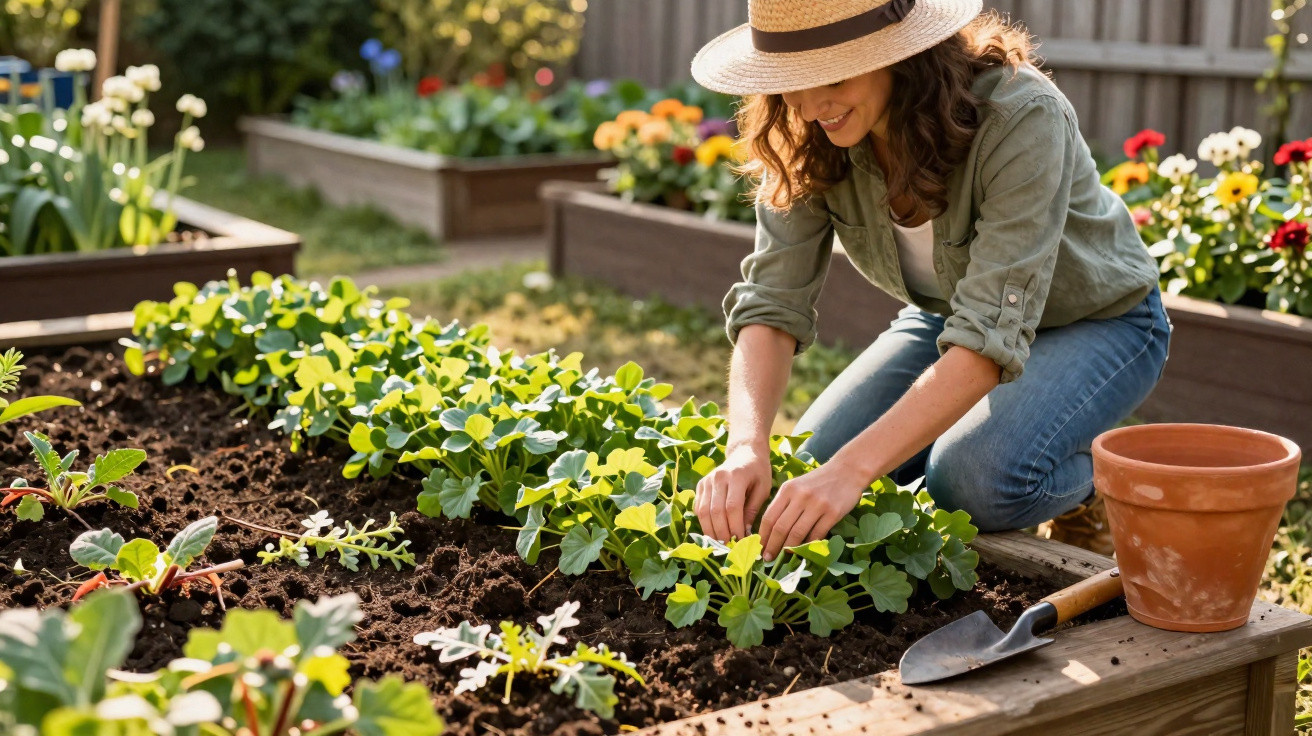
Across gardens of every size and in many countries, bare patches of soil are becoming overrun as chemical weedkillers vanish from garden sheds. One hardy perennial, however, can serve as a natural mulch: crowding out unwanted plants while bringing an unexpectedly refined look.
A living weed barrier that actually looks good
With synthetic weedkillers now tightly restricted or prohibited for home gardeners across much of Europe, plenty of people are left searching for alternatives. Pulling weeds by hand is time-consuming, weed-control fabric is unattractive, and bark mulch decomposes quickly. As a result, gardeners are increasingly using “living mulches” - densely growing plants that cloak the ground, leaving weeds with nowhere to establish.
One particular perennial stands out: bergenia, a low, leafy plant that blankets the soil and starves weeds of light.
Botanically named Bergenia purpurascens and commonly known simply as bergenia, this resilient groundcover carries thick, glossy foliage held low over the ground. Its leaves create a close-knit cover that prevents most emerging seedlings from forcing their way through.
During spring, sturdy flowering stems rise above the leaves with clusters of pink blooms, transforming a formerly bare area into an ornamental feature. The broad foliage remains for most of the year and can take on purple tones in cold conditions, adding welcome structure during winter too.
Why bergenia is such an effective “living mulch”
For weeds to germinate, their seeds chiefly require light and enough open ground. Bergenia restricts both of these essentials.
- Its evergreen foliage blankets bare ground.
- The leaves prevent light from reaching weed seeds.
- New weed growth finds it difficult to emerge through its dense rosettes of leaves.
Well-established bergenia can cut weed growth by anything from two-thirds to nearly total cover in just one or two seasons.
This makes it one of the strongest-performing groundcovers in professional planting designs. Landscape gardeners plant it in areas where regular weeding would be particularly difficult, including beneath trees, beside paths, across inconvenient banks and along the front of mixed borders.
It is also highly frost-hardy, coping with winter temperatures of roughly −20°C or below. This makes it a good choice for most UK gardens, northern US gardens and continental climates.
The right moment to plant bergenia
When you plant has a major effect on how swiftly bergenia fills the spaces between plants. Spring and autumn offer the best planting periods, as soils are damp and temperatures are moderate.
Across many temperate areas, March and April are particularly suitable. The soil is beginning to heat up while still retaining moisture from winter. Bergenia roots establish quickly, and the plants can already start growing together by early summer.
Planting now means bergenia has months to settle before heatwaves, helping it create a weed-blocking mat in its very first year.
Autumn provides another favourable planting opportunity. If planted during September or October, bergenia continues to develop its roots steadily through the cooler months, then begins vigorous growth as soon as spring returns.
Where bergenia performs best in the garden
Bergenia is notably flexible about light conditions. It handles non-scorching full sun, partial shade and even the difficult situation gardeners call “dry shade” - areas beneath deciduous trees where very little rain reaches the ground.
Practical planting ideas
- Along paths and driveways: creates a neat, low border that prevents weeds from spreading into paving or gravel.
- Under deciduous trees: takes advantage of spring light before the canopy develops, then benefits from dappled summer shade.
- On banks and slopes: holds soil in place while avoiding the arduous task of weeding steep areas.
- At the front of borders: covers exposed earth around taller shrubs and perennials.
- In rock gardens: softens the appearance of stone and occupies gaps that would otherwise attract weeds.
In very shady places or exceptionally damp areas, bergenia is often combined with other shade-tolerant groundcovers, including hardy cranesbills (perennial geraniums) and periwinkle. Used together, these plants produce an unbroken green covering that greatly lowers maintenance requirements.
How to plant a long-lasting carpet of bergenia
Careful preparation is more important than many gardeners realise if bergenia is to become a genuinely effective weed barrier.
Step-by-step planting method
| Step | What to do |
|---|---|
| 1. Clear | Take out all existing weeds and their roots, preventing them from growing back beneath the new planting. |
| 2. Loosen | Cultivate the soil to roughly 20 cm deep so roots can spread without difficulty. |
| 3. Improve | If the ground is especially poor or compacted, incorporate compost while ensuring it remains free-draining. |
| 4. Space | Position plants approximately 40 cm apart; they will eventually join to make a dense carpet. |
| 5. Plant | Make a hole a little wider than the rootball, placing the plant with its crown level with the soil surface. |
| 6. Water | Water generously after planting to settle the earth around the roots and eliminate air pockets. |
| 7. Mulch | Spread a light temporary mulch in the gaps until the foliage grows together. |
The first growing season is the only period when bergenia needs slightly more attention. During dry weather, keep the soil gently moist but do not allow it to become waterlogged. After the roots are established, the plant is much better able to withstand brief dry periods.
Ongoing care: low effort, high impact
Established bergenia clumps demand very little regular attention. Once or twice annually, remove damaged or brown leaves and cut away spent flower stems. This simple clean-up keeps the foliage looking fresh and limits potential shelter for slugs and snails.
Every three to five years, dividing overgrown clumps renews the planting and gives you free material to extend the weed barrier.
To divide a clump, lift part of it from the ground and cut or pull it into smaller sections. Each division should have a healthy root system and several sound leaves. Replant the sections immediately at the original depth, water them well, and they should establish rapidly.
As the leaf cover becomes denser, fewer weed seedlings will appear. Any that do germinate are usually feeble and can be removed in seconds rather than taking hours.
When bergenia is not the best choice
As with every plant, bergenia has its limitations. It may struggle in permanently waterlogged soil because its roots need drainage. Its leaves can scorch or become unhappy beside south-facing walls or in intensely hot gravel beds without irrigation.
Gardeners with young children or pets should be aware that bergenia, like many ornamental plants, is not intended for eating. This is rarely a significant concern because the thick foliage is generally unappealing, though it remains sensible to discourage chewing.
Understanding a few useful garden terms
The term “dry shade” can be puzzling for inexperienced gardeners. It describes ground beneath large trees or shrubs, where the canopy catches rainfall and the roots absorb moisture, creating soil that is both shaded and unexpectedly dry. Once established, bergenia is among the relatively few plants that cope reasonably well with these conditions.
You may also hear gardening professionals refer to “groundcover perennials”. These are long-lived plants that naturally spread sideways, creating dense, low growth over the soil. Bergenia clearly fits this description, along with plants such as ajuga, lamium and certain hardy geraniums.
How bergenia fits into an eco-friendly strategy
Many gardeners want to reduce both chemical use and watering. Bergenia helps with this in several ways. Its soil-covering foliage reduces evaporation, retaining moisture for plant roots. By suppressing weeds, it lowers the requirement for herbicide. Its early flowers also provide nectar for pollinators emerging in spring, when food sources remain limited.
Picture a small suburban front garden that has previously been kept as open soil and repeatedly hoed. Replacing this bare ground with a planting matrix of bergenia and other low perennials can dramatically reduce weeding, keep the soil cooler in summer and create a tidier, greener view from the street. The same method can be applied to bigger gardens, sloping driveways and shared communal areas where maintenance funds are limited.



Comments
No comments yet. Be the first to comment!
Leave a Comment