
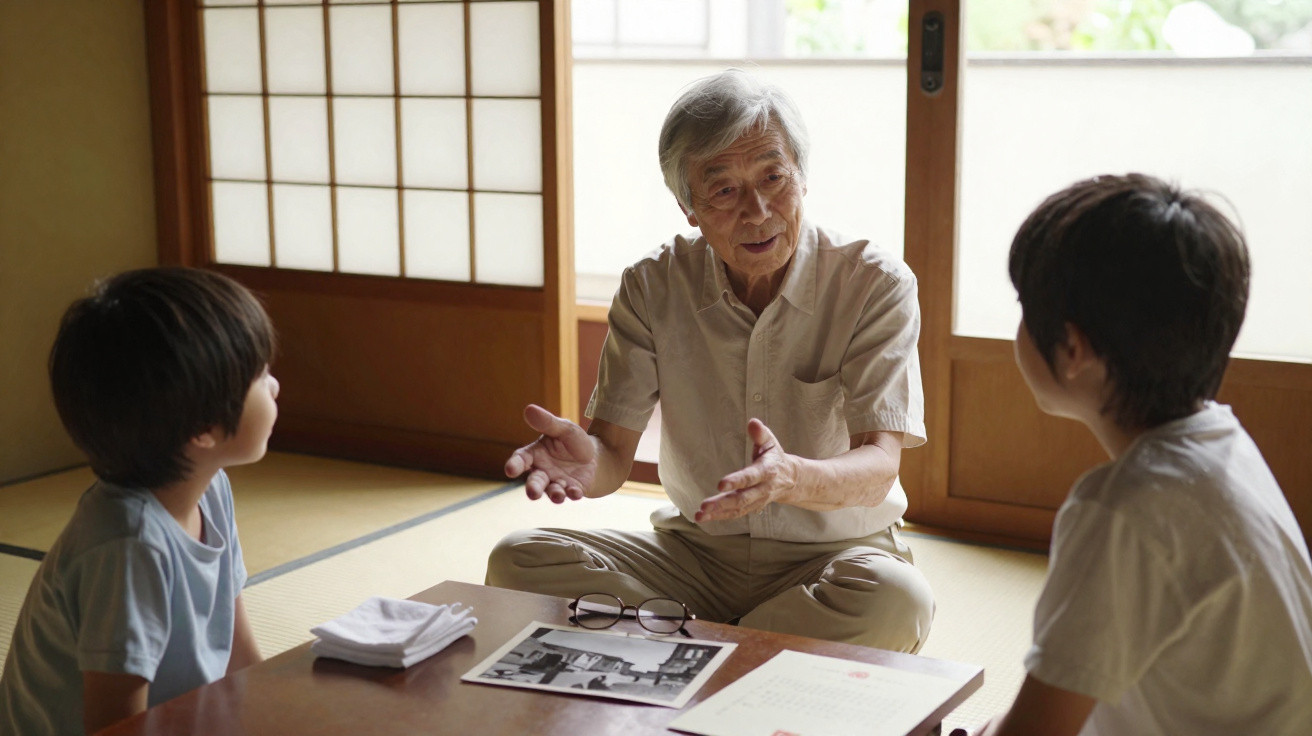
Tsutomu Yamaguchi defied every expectation by surviving the atomic bombings of Hiroshima and Nagasaki, making him one of the most remarkable figures in 20th-century history.
Who was Tsutomu Yamaguchi?
Tsutomu Yamaguchi was a Japanese naval engineer employed by a shipbuilding company. In August 1945, he was in Hiroshima on a business trip when the city was struck by the first atomic bomb.
Despite being seriously injured by burns and the blast, he survived. After receiving basic treatment, he chose to return to his hometown of Nagasaki, unaware that another tragedy awaited him only days later.
How did he survive both atomic bombings?
On 6 August 1945, Yamaguchi was about three kilometres from ground zero in Hiroshima. The shockwave hurled him to the ground, leaving him with burns and temporary hearing damage.
The events that shaped his survival included:
- Surviving the bomb dropped on Hiroshima.
- Returning to Nagasaki after a difficult journey.
- Witnessing the second explosion on 9 August 1945.
- Surviving once more and remaining with his family.
How did the second explosion change his life forever?
After arriving in Nagasaki, Yamaguchi went to work despite his injuries. During a meeting in which he was describing what had happened in Hiroshima, another atomic bomb exploded over the city.
Once again, he escaped alive. Although he sustained further injuries and experienced the effects of radiation over the years, his wife and son also survived the attack.
Official recognition came decades later
For many years, Tsutomu Yamaguchi avoided discussing his experience in public. In time, he became an advocate for peace and warned of the dangers posed by nuclear weapons.
In 2009, the Japanese government officially recognised that he had survived both atomic bombings. His case became a symbol of human resilience and attracted attention in many countries.
Why does Tsutomu Yamaguchi's story remain so striking?
Yamaguchi died in 2010, aged 93, leaving behind a legacy that reaches across generations. His testimony helps historians understand the human impact caused by atomic bombs.
His story still draws interest today because it shows how one person endured two of the greatest tragedies in modern history and turned that experience into an enduring message of hope and peace.






Comments
No comments yet. Be the first to comment!
Leave a Comment