
It is late in the evening, the air in the room is still, and the screen is glowing in front of you – when you suddenly hear that anxious buzzing. At first it is faint, then closer, then right beside your ear. A fly or wasp has decided that your room is its room now, too. Annoyed, you shut the laptop, instinctively grab a shoe, then freeze halfway through the motion. Somehow, you do not want to kill it. No more mark on the wall. No more guilt over a tiny insect that simply wanted to be outside. So there you stand, barefoot, partly irritated and partly sympathetic, realising that you have no idea how to get the creature out without causing chaos. And that is when this small, underestimated battle between human and buzz begins.
Why a single fly can throw us completely off balance
Just one fly can change the whole mood of a room. One moment you are focused; the next, your eyes are following nothing but its dark outline. It lands on the screen, your water bottle, then directly on your arm. Your brain swings between disgust, annoyance and a strange kind of respect. After all, you know the animal means no harm. Yet it creates an alarmed feeling that seems wildly out of proportion. It is almost like a tiny stress test in everyday life.
We all know these situations: the lone fly during an afternoon nap, or the persistent wasp hovering above the cake plate on a Sunday. In a survey by the polling institute YouGov, around two thirds of respondents said they find insects in the home “highly irritating”, yet more than half do not want to kill them. That conflict appears in small everyday scenes: people creeping through the bedroom with a glass in hand; parents frantically opening windows while a child climbs tearfully off the sofa. And in between, there is always the same sentence: “I only want to get it outside…”
In truth, this miniature drama is about something larger: control and powerlessness in our own space. Your room is meant to feel safe, calm and orderly. An insect that ignores your rules can feel like a small intrusion. At the same time, we live in an age in which we think more consciously about nature and animal life. Suddenly, swatting a living creature simply because it is inconvenient feels harsh. The tension sits precisely between those two impulses: I want some peace and I do not want to end a life just because I am annoyed.
Peaceful ways to get a fly or wasp back outside
The simplest, and often most successful, approach starts with one straightforward choice: create a clear “flight path” for the insect. Open one window wide, switch off every other light source, and leave light only in the direction of the exit. Then you need to wait for a moment. Many flies and wasps orient themselves strongly towards the brightest point. If you darken the room and make the window the only truly bright area, a large proportion of uninvited visitors will find their own way out. It can take a few minutes, but it often feels surprisingly peaceful.
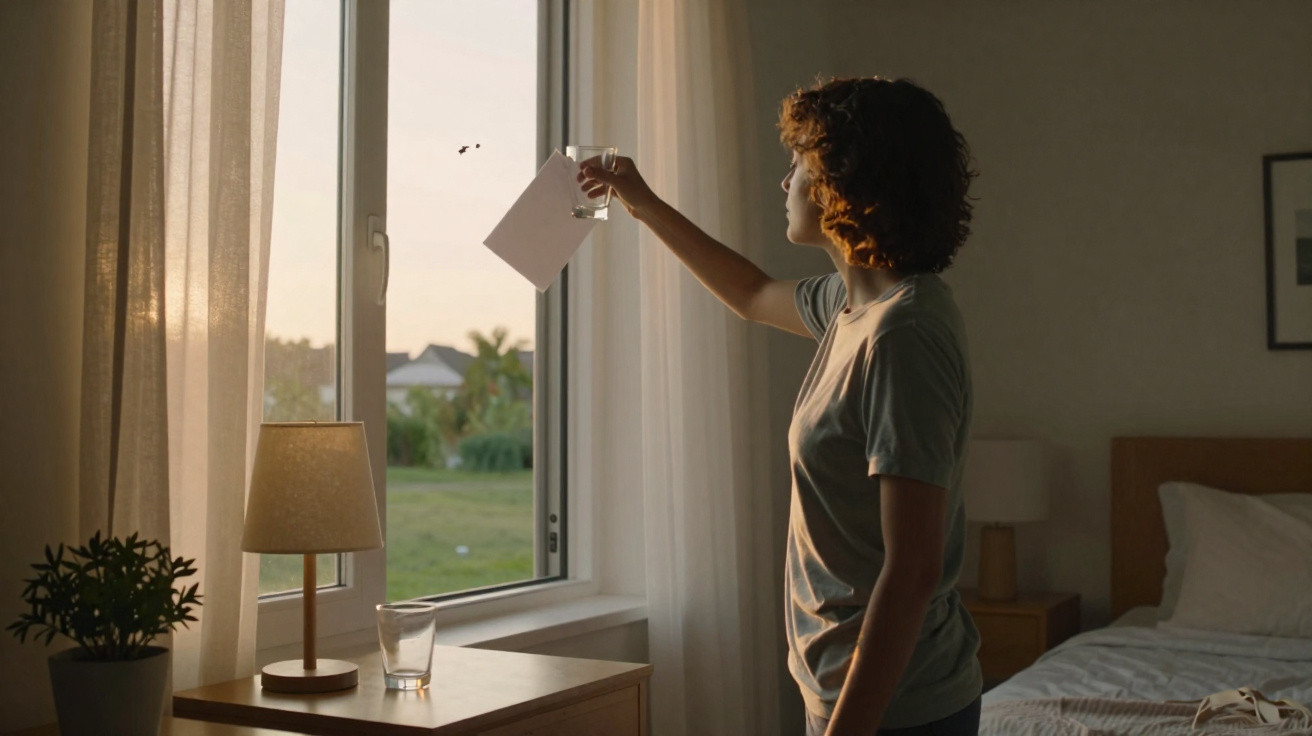
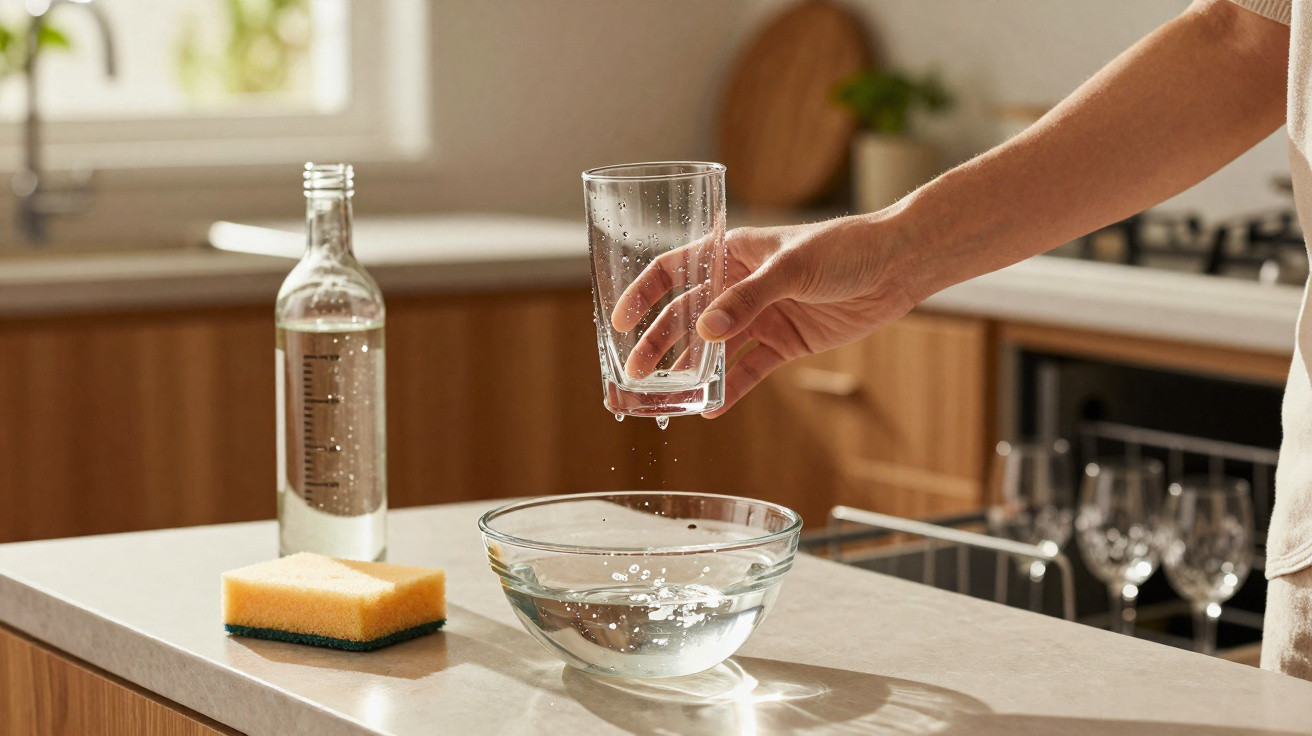
If you need a quicker solution, the familiar glass-and-paper method is a classic. Take a transparent glass or tumbler, move towards the animal slowly, place it over the insect when it is sitting on a wall, table or windowsill, then slide a sheet of paper or postcard between the rim and the surface. Suddenly, you are holding a kind of miniature terrarium. Take a brief deep breath, walk to the open window or balcony, hold the glass outside, loosen the paper slightly – and the buzzing is free again. It is simple, old-fashioned and, nevertheless, effective.
Let us be honest: no one manages this as perfectly every day as advice guides suggest. Particularly with wasps, the mood can quickly shift from “kind and environmentally conscious” to “just get away from here”. A common mistake is waving your arms in panic. Wasps can react badly to sudden movements. A slow, deliberate process is more helpful instead. A bowl containing a little sweet juice or a drop of jam near the window can act as a small lure. You shift the insect’s attention away from yourself and towards the way out. Flies can sometimes be guided towards the window with a gentle current of air – wave a towel calmly and broadly, rather than striking out angrily.
“The calmest people in the room are usually the ones who eventually get the wasp outside unharmed,” says a friend of mine who loves summer evenings with balcony visitors and cake.
It can help to remember a few basic rules as a small mental emergency card:
- Calm before speed: breathe first, then act.
- Open the route outside and keep everything else more closed off.
- Use light as a guide, rather than as decoration.
- Avoid frantic hands; choose gentle movements instead.
- If in doubt, leave the room briefly and let your nervous system settle.
What rescuing flies and wasps reveals about daily life
Anyone who has consciously noticed how much energy a single fly can consume soon realises how fragile our sense of calm is. One animal, one sound, and your mind is no longer on what you were doing. Perhaps that is the hidden lesson in these moments: they force us to focus briefly on something else and step out of autopilot. There is not only an insect in the room; your own nervous system is making itself known, too. And in this small scene, you decide which side you want to be on – irritated, aggressive or composed, perhaps with half a smile.
It is striking how quickly our attitude can change once we have experienced a peaceful solution. Anyone who has carried a wasp outside in a glass a few times gradually loses the panic and gains confidence. That can influence others, too. Children who see adults avoiding an immediate swat develop a different relationship with the creatures outside the window. Neighbours may look on curiously as you stand on the balcony with a glass, quite literally playing “taxi to the outdoors”. These small gestures say a great deal about a society that wants to engage with nature not only in documentaries, but in everyday life.
Perhaps there is a quiet comfort in all of this as well. We cannot solve the world’s major crises in one evening, but in our own room we can choose, for a moment, less violence and more care. Taking a fly or wasp outside alive will not change the climate, save forests or end the headlines. But it does alter how you see the boundary between indoors and outdoors, between yourself and “the other living beings”. And sometimes, such a tiny moment is enough to make the day feel a little gentler.
| Key point | Detail | Benefit for the reader |
|---|---|---|
| Create a clear flight path | Open the window wide, use light deliberately for orientation and darken the room | A low-stress way to let insects find their own way outside |
| Use a gentle capture method | Glass and paper, a slow approach and controlled release outdoors | A practical method that can be used immediately without harming the animal |
| Choose calm over panic | Avoid sudden movements, distract the insect and lower your own pulse | Safer handling, fewer stings and a more relaxed atmosphere in the room |
FAQ:
- How can I lure a wasp directly towards the window? Place something sweet near the window, such as a small piece of fruit or a drop of jam on a plate, open the window wide, and keep any other food sources in the room covered.
- What should I do if a wasp lands on me? Stay as calm as possible, do not swat it, and instead stand up slowly and move towards the window. It will often fly away on its own once you move away from food.
- How do I remove a fly from the bedroom at night? Turn off the bedroom light, switch on a light in the hallway or by the open window, and wait briefly. If it remains, you can catch it with a glass while it is resting on a wall.
- Does a fan help against flies and wasps? The airflow can unsettle them and keep them away from your body or food, but it rarely removes them from the room entirely – it is more of a temporary relief.
- What if I am very afraid of wasps? If possible, ask someone else to take over, open the window wide and leave the room for a while. In the longer term, calmly practising the glass method may help you regain a sense of control.
Comments
No comments yet. Be the first to comment!
Leave a Comment