
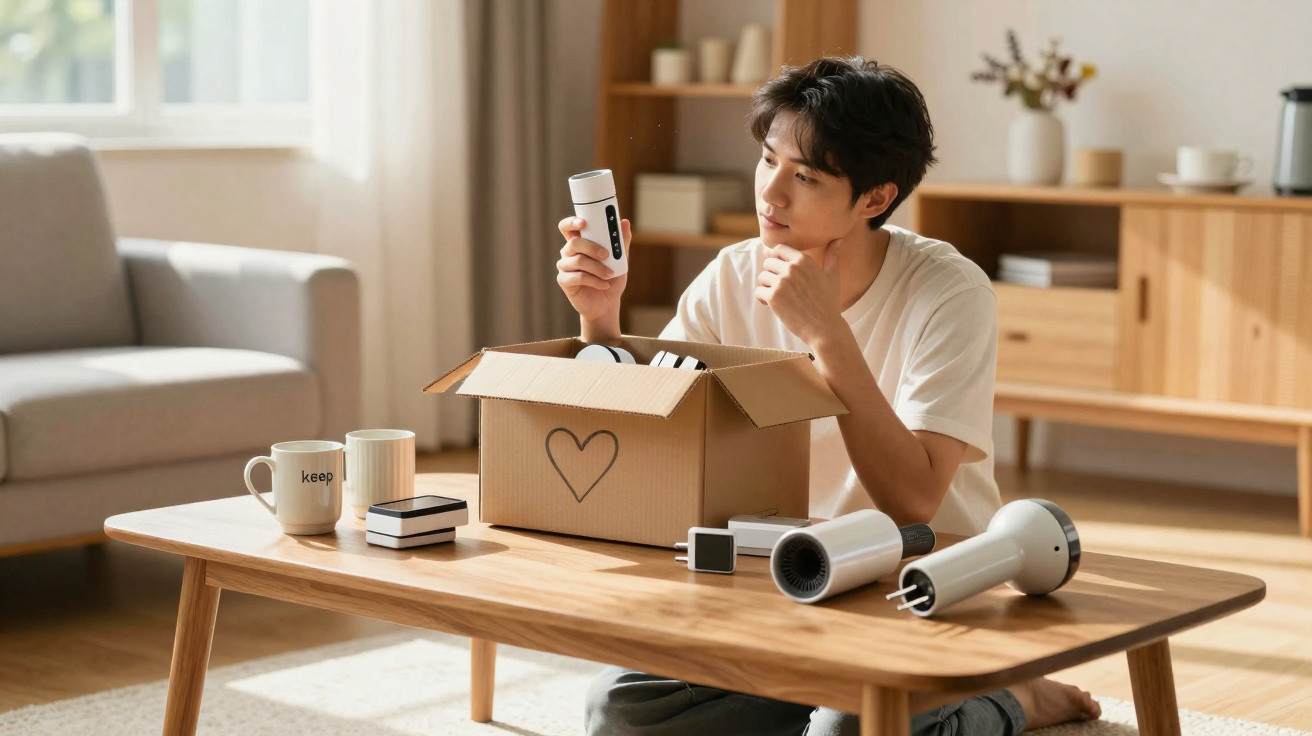
Having more than one of an item is not automatically a problem. Clutter begins when several versions serve precisely the same purpose and continue taking up room without being used. The kitchen, drawers and cupboards are among the places most likely to expose this surplus.
Why do duplicate items build up?
Some purchases are made out of necessity, while others result from impulse buying, special offers or replacing an older item. However, the original object does not always leave the home when its replacement arrives.
Over time, similar items end up sharing the same storage space. The issue becomes more noticeable when they need to be stacked, cupboard doors no longer close easily, or several items must be removed to reach a single one.
Which area of the home should be reviewed first?
The kitchen is often a sensible place to start, as it contains many objects with similar uses. Food containers, glasses, mugs, serving dishes, pans and utensils can accumulate over the years.
Rather than taking everything out at random, gather together the items that perform the same role. Seeing them as a group makes it easier to judge whether the quantity is genuinely needed or whether some pieces remain simply because there has never been time to review them.
How should you choose which duplicate items to keep?
One helpful question is: how many of these are genuinely needed for the household’s routine? The answer will vary according to the number of people at home, how often the items are used and the family’s habits.
It is also worth checking each item’s condition. A duplicate that is rarely used may be less useful than another one that is in good condition and used regularly. The aim is not to keep the smallest possible number, but to retain an amount that suits everyday life.
When do duplicate items make sense?
There are circumstances in which keeping repeated items is entirely reasonable. A large family may need more glasses and plates, while people who frequently host guests may require a larger selection of utensils.
Keeping a second important item as a spare can also be sensible. The key is to distinguish useful duplicates from automatic accumulation. If several identical objects have been stored away for years without being used, that collection should be assessed.
How can you stop the surplus returning?
Once you have organised things, one straightforward rule can help: before buying a new version of something you already own, check whether the existing item still meets the need.
This brief pause helps prevent cupboards from becoming full again soon after tidying. Starting with duplicate objects at home can therefore be a practical way to free up space without having to reorganise every room at once.


Comments
No comments yet. Be the first to comment!
Leave a Comment